Innovation Framework
Five Pillars of Applied Innovation
These aren't aspirational categories. They're the actual domains where Daytona Beach has been innovating for decades. Now unified into a single strategic framework.
Aviation Heritage & Future
Daytona is home to Embry-Riddle Aeronautical University. One of the most respected aerospace universities in the world. Not regional. Global.
Add to that Daytona Beach International Airport sitting right there with flight training, aerospace research, and aviation companies. That's not a coincidence. Aviation innovation has been embedded in Daytona for decades.
This pillar represents the deep institutional knowledge, research infrastructure, and talent pipeline that makes Daytona a center of gravity for everything that flies.
Embry-Riddle
World-class aerospace research, engineering programs, and a Center for Innovation and Entrepreneurship.
Flight Training
One of the densest flight training hubs in the country, integrated with the local airport.
Aerospace Research
Advanced labs in propulsion, avionics, unmanned systems, and space technology.
Talent Pipeline
Thousands of aerospace engineering graduates entering the workforce every year from Daytona.
Applied Innovation Under Extreme Pressure
Daytona Beach has been testing the limits of physics for over a century. Land speed records were set on its sands. Then came the Daytona 500 and the 24 Hours of Daytona at Daytona International Speedway.
Motorsports is not just entertainment. It's materials science. Aerodynamics. Engine efficiency. Telemetry. Data analytics. Safety engineering. Composite materials. Simulation.
That's applied innovation under pressure. Where failure isn't a bug report, it's a crash at 200 mph. The engineering discipline this demands is exactly the kind of rigor that transfers to autonomous systems, defense tech, and advanced manufacturing.
Materials Science
Advanced composites and alloys tested under extreme thermal and mechanical stress.
Aerodynamics
Wind tunnel validation and real-world aero testing at speeds exceeding 200 mph.
Telemetry & Data
Real-time data acquisition, analytics, and predictive modeling at race pace.
Safety Engineering
Life-critical systems design: crash structures, fire suppression, driver protection.
Simulation
Digital twins and sim-to-real pipelines that translate to autonomous and defense applications.
Engine Efficiency
Propulsion optimization under constraints that mirror real-world energy challenges.
Adjacent to the Space Coast
Daytona sits near Kennedy Space Center and is tied to Florida's aerospace corridor. The region understands launch systems, testing, propulsion, and systems engineering. That's innovation infrastructure you can't replicate.
Censys Technologies (advanced UAV platforms), VerdeGo Aero (hybrid-electric propulsion for eVTOL with U.S. Air Force and NASA contracts), and AURA AERO (electric aircraft manufacturing at Embry-Riddle Research Park) all chose to build here. That's not a coincidence.
As eVTOL, autonomous systems, and advanced air mobility mature, Daytona's combination of aerospace talent, testing infrastructure, and regulatory familiarity becomes a strategic advantage.
Launch Systems
Proximity to Kennedy Space Center and the Cape Canaveral launch complex.
Autonomous Systems
Local companies building advanced UAV and autonomous platforms for defense and commercial use.
Propulsion
Hybrid-electric propulsion development for next-gen air mobility, happening in Daytona now.
Systems Engineering
The disciplined, mission-critical engineering culture that aerospace demands.
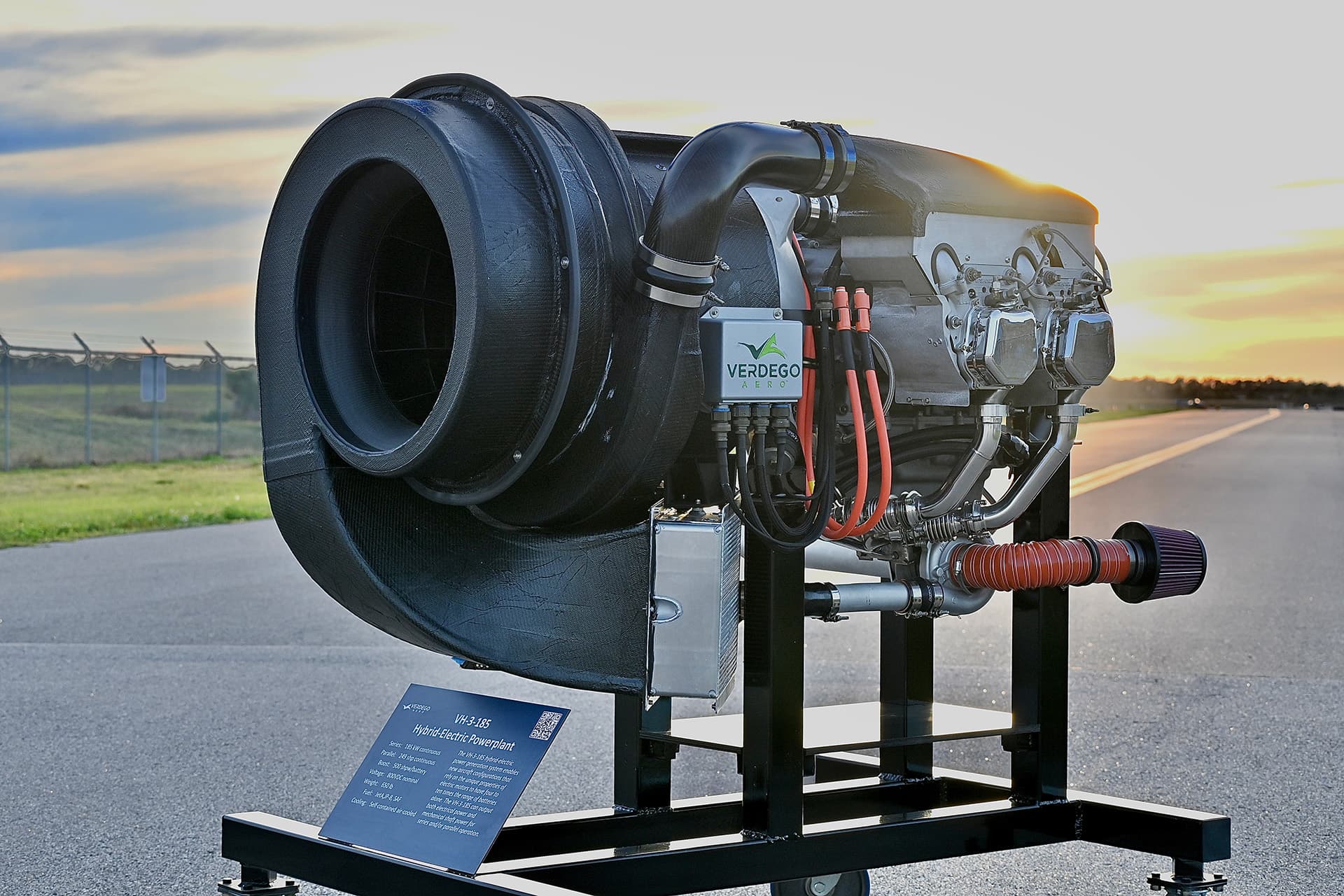
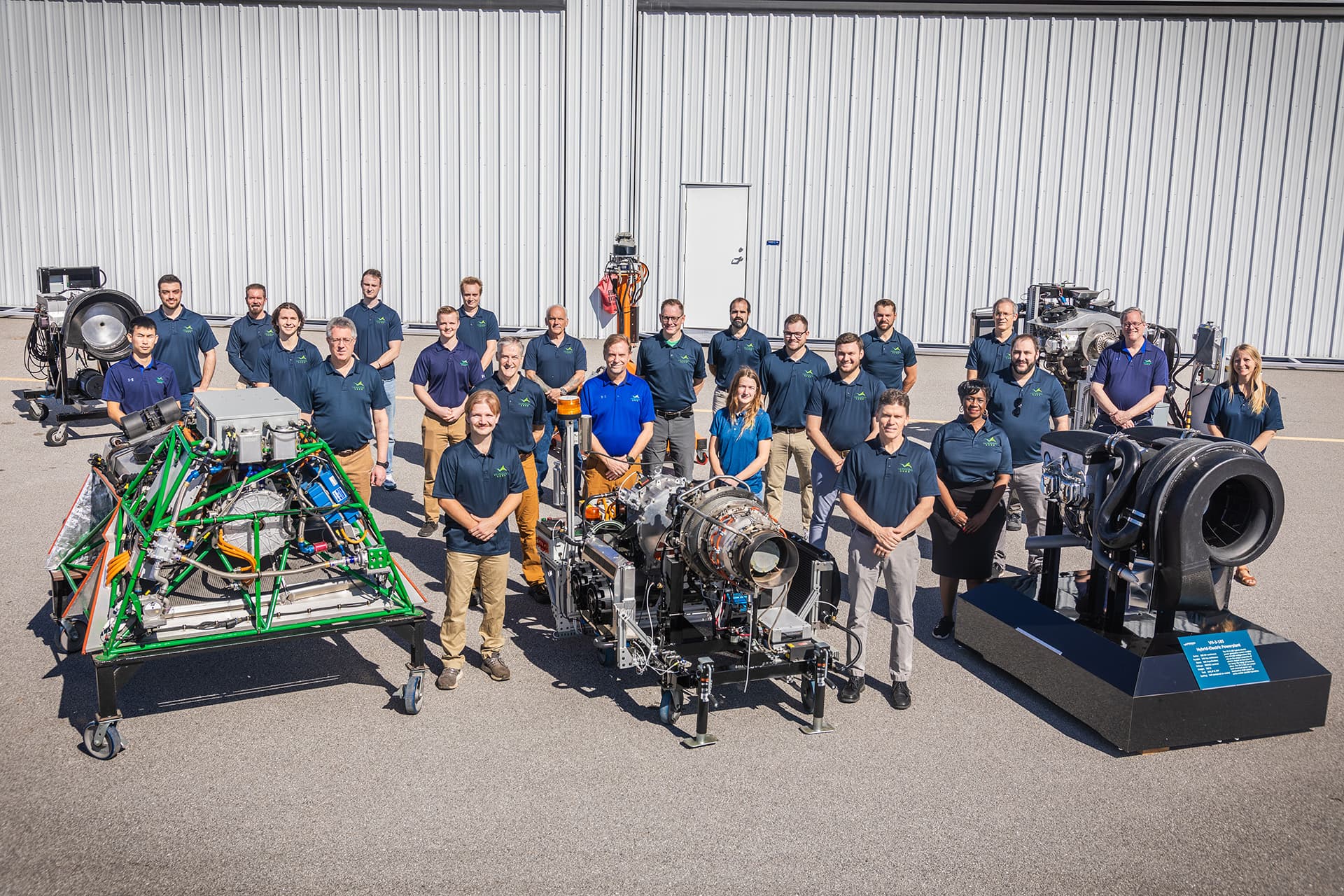
VerdeGo Aero: hybrid-electric propulsion for eVTOL and advanced air mobility, built in Daytona Beach
Blue Tech & Climate Innovation
Daytona sits on the Atlantic. Coastal engineering, climate resilience, marine robotics, and blue-tech innovation are natural extensions of the region's geography and expertise.
With climate risk rising, this becomes a strategic innovation category, not a nice-to-have. Coastal communities around the world need solutions for storm surge, erosion, water quality, and marine monitoring.
Daytona's position on the coast, combined with its engineering talent and institutional research, makes it a natural testbed for the technologies that will define coastal resilience.
Coastal Engineering
Storm surge modeling, erosion mitigation, and infrastructure resilience research.
Marine Robotics
Autonomous underwater vehicles, sensor networks, and ocean monitoring systems.
Climate Resilience
Technologies and systems for communities facing rising sea levels and extreme weather.
Blue Economy
Sustainable ocean-based innovation spanning aquaculture, energy, and conservation tech.
Strategic Position, Real Advantages
Interstate access. Rail. Airport. Affordable cost of living and doing business. That matters, especially for startups and small manufacturers that need space, test environments, and reasonable overhead.
Daytona offers the infrastructure of a major metro without the friction. Companies that need to prototype, test, and iterate in physical space find room to build here.
This pillar isn't flashy, but it's essential. Innovation doesn't happen in a vacuum. It needs logistics, facilities, and affordable access to move from concept to production.
Interstate & Rail
I-95 and I-4 access plus CSX rail connectivity for shipping and distribution.
Airport Access
Daytona Beach International Airport with commercial and private aviation services.
Cost Advantage
Affordable cost of living and commercial real estate that lets builders focus on building.
Test Environments
Space and facilities for physical prototyping, manufacturing, and field testing.
These Pillars Don't Stand Alone
The real power of Daytona's innovation identity is how these domains intersect. Aerospace engineering meets motorsports simulation. Coastal resilience tech draws on marine robotics from the defense sector. Logistics infrastructure supports them all.
Aviation + Motorsports
Aerodynamics expertise flows between aircraft design and race car engineering. Same physics, different vehicles.
Aerospace + Autonomous
eVTOL development draws on both aerospace systems engineering and motorsports simulation infrastructure.
Coastal + Defense
Marine robotics and ocean monitoring systems serve both resilience research and defense applications.
Motorsports + Data
Telemetry and real-time analytics from racing translate directly to autonomous systems and IoT.
Logistics + Manufacturing
Physical infrastructure and cost advantages enable prototyping and production that other Florida cities can't match.
Education + All Pillars
Embry-Riddle, Daytona State, BCU, and UCF feed talent into every pillar. The connective tissue of the community.
See how this positions Daytona in the market
Five pillars. One clear position. Applied Performance Innovation.